hearingHearing Aids
Choosing and learning to use a hearing aid is a positive step toward staying connected. Discover device styles, NHS eligibility, Bristol clinic access, free postal supplies, and care essentials.
NHS Access in Bristol
FREE FROM NHSHearing aids are provided 100% FREE on long-term loan via UHBW Audiology (St Michael's, Southmead, and community clinics).
Lost/damaged replacement device fee: £95.
Private Hearing Care
If you choose private hearing aids, local providers in Bristol include:
storefront Over-the-Counter (OTC) Hearing Devices
RETAIL & DIRECTYou can also purchase over-the-counter (OTC) hearing aids and direct sound amplifiers from selected retail pharmacies, high street opticians, and certified online outlets without a hospital referral. These devices are suitable for adults with perceived mild-to-moderate hearing difficulties.
Modern digital hearing aids come in a range of styles tailored to your specific hearing prescription, ear canal shape, and daily needs:
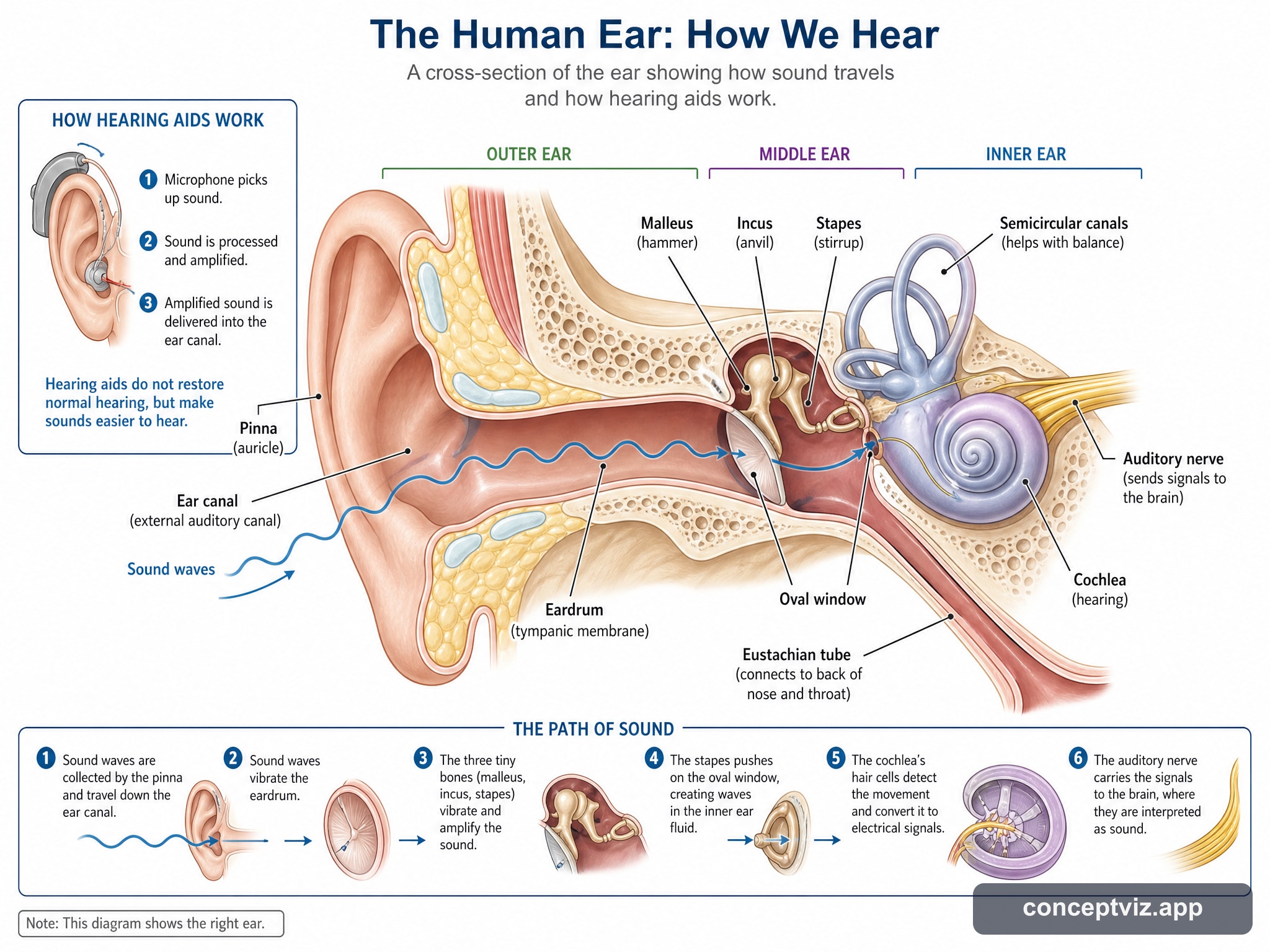
Sound Amplification in the Ear
zoom_in Click to zoomBTE (Behind-the-Ear)
A versatile and popular style that sits discreetly behind the ear, delivering sound through a slim tube or custom mould.
RIC (Receiver-in-Canal)
Places the miniature speaker directly inside the ear canal for natural acoustics and clear speech clarity.
ITE & ITC (In-the-Ear / Canal)
Custom-moulded to fit snug within your outer ear or ear canal for discreet daily use.
CROS & BiCROS
Transfers sound wirelessly from an unaidable ear across to your better-hearing ear, eliminating acoustic blind spots.
Phone: 0117 342 5854 (Note: Phone lines can be very busy)
Email: audiology.dept@uhbw.nhs.uk
Order Free Batteries & Consumables by Post (UHBW Online Form)
If you were issued your NHS hearing aids by the Adult Audiology service at University Hospitals Bristol and Weston NHS Foundation Trust (UHBW), you can request free batteries, replacement tubes, and accessories online for direct home delivery.
📦 What You Can Order by Post:
- Batteries: Size 13 (Orange), Size 312 (Brown), or Size 675 (Blue)
- Tubing: Replacement earmould tubing
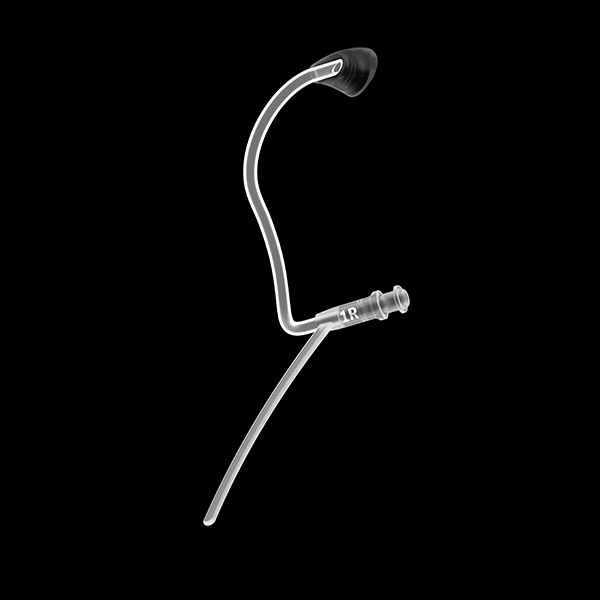
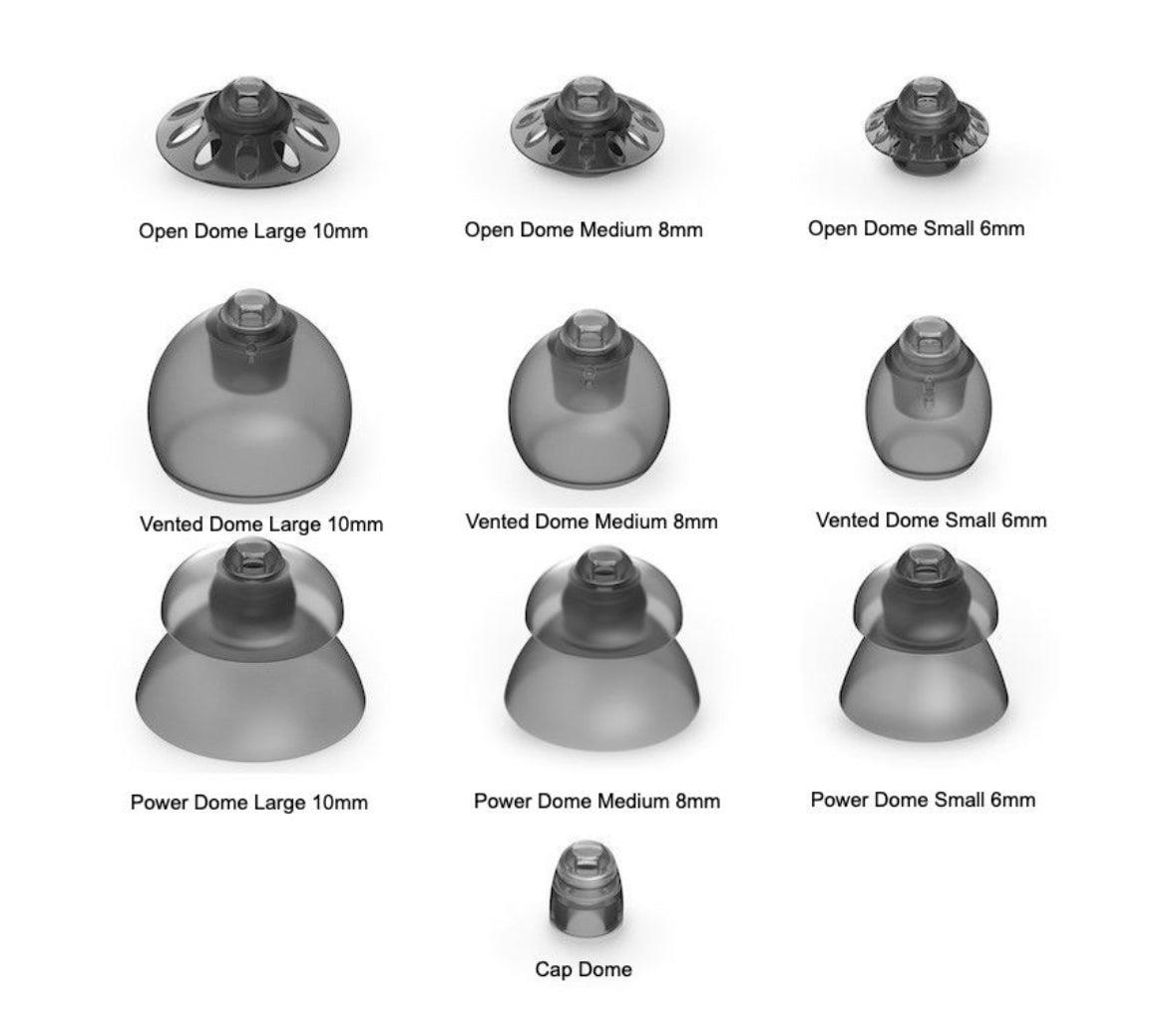
- Thin Tubes & Domes: Replacement slim tubes & silicone domes
- Cleaning Accessories: Cleaning wires
⏱️ Delivery & NHS Guidelines:
- Dispatch: Posted via Royal Mail 2nd Class within 2 weeks of receiving your request.
- Eligibility: Exclusively for registered UHBW Adult Audiology patients.
- NHS Advice: Batteries are an expensive NHS resource—please only order when you are about to run out.
build Free Replacement Tubing
Once you have your hearing aid, you do not need to buy replacement tubes. You can use the online postal form above or email the audiology department to request new tubes sent to you for free.
battery_charging_full Battery Supply
If your hearing aid uses disposable batteries, replacements are provided free by the NHS via the online postal order form. If you need batteries urgently, compatible zinc-air batteries can also be purchased from pharmacies.
📮 Traditional Postal Battery Service
You can also send your yellow NHS Battery Record Book along with a stamped addressed envelope to your clinic to receive fresh battery packs by post.
🔧 Drop-in Volunteer Clinics
Local volunteer drop-ins across Bristol offer free tubing changes and cleaning support without waiting for hospital appointments.
🏠 Home Visit Support (HISS Bristol): If you are unable to visit the Audiology clinic for retubing or cleaning due to age or mobility, the Hearing Impaired Support Scheme (HISS Bristol) provides free volunteer home visits for NHS hearing aid users. Contact UHBW Audiology for a HISS referral or visit hissbristol.org.uk ↗.
NHS hearing aids are provided on long-term loan following a clinical audiology assessment. The style and model prescribed depend on your degree and type of hearing loss, clinical need, lifestyle, ear anatomy, and local NHS availability.
verified Clinical Prescription & Choice
- Assessment-led fitting: Devices are prescribed based on clinical suitability. Not every patient can choose any model, size, or style.
- Manufacturers: NHS services may use hearing aids from different manufacturers, including Phonak where available, with ranges usually refreshed every 3 to 5 years.
- Suitability: Your audiologist ensures the aid matches your ear canal shape and is powerful enough for your hearing prescription.
autorenew Existing Users & Reviews
- No automatic upgrades: Newer model releases are not automatic replacements, upgrades, or trade-ins for existing NHS users.
- Experiencing problems? If you already have hearing aids and have issues, contact your local audiology service for a review.
- Audiology review: Your audiologist may consider fine-tuning adjustments, repairs, replacement parts, or a reassessment if hearing needs have changed.
💡 Hearing Loop (Telecoil) Activation: When fitted with your hearing aid, ask your audiologist if the telecoil ('T') programme can be enabled so you can connect to hearing loop systems in churches, theatres, and public counters.
Note: Model availability varies by local NHS Trust contract. Recharging options and colours depend on clinic stock and individual clinical suitability.
Explore our guide to hearing-aid styles, examples of models used within NHS services, battery and tubing support, and questions to discuss with your audiologist.
Group A: Phonak Behind-the-Ear (BTE) Series (Bolero & Naida)
NHS Bristol issues behind-the-ear (BTE) hearing aids from Phonak. Each series includes multiple model numbers (such as M70, P70, and related tiers) that determine available features, including hearing loop telecoil compatibility, rechargeable options, power output, and sound enhancements:
 - Phonak Bolero M70-M.png)
Behind-the-ear (BTE) - Phonak Bolero Series (e.g. M70-M)
 - Phonak Nova M.webp)
Behind-the-ear (BTE) - Phonak Nova M
 - Phonak Naida P-70 UP.webp)
Behind-the-ear (BTE) - Phonak Naida Series (e.g. P-70 UP)
Group B: UHBW Private & Discreet Custom Models
.jpg)
In-the-ear (ITE) Custom Moulded
 Completely-in-canal (CIC).jpg)
In-the-canal (ITC) & Completely-in-canal (CIC)

Receiver-in-canal (RIC) Open Fit
Group C: Specialist Implant & Bone Conduction Pathways
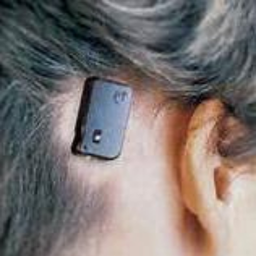
Bone Conduction Hearing Device (BCHD / BAHA)

Contralateral Routing of Signals (CROS / BiCROS)
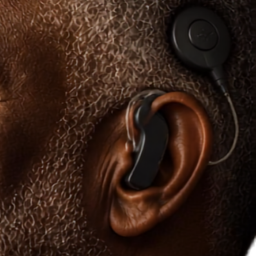
Cochlear Implant Sound Processor
Taking a few moments to care for your hearing aid ensures crisp sound quality and prevents feedback whistling:
Daily Care Checklist:
- Daily Wipe: Wipe moulds and domes with a dry microfiber cloth; never use boiling water or harsh chemicals.
- Battery Hygiene: Open battery doors overnight to let moisture evaporate and extend battery life.
- T-Loop Programme: Use your telecoil ('T') setting in banks, theatres, and churches equipped with hearing loop systems.
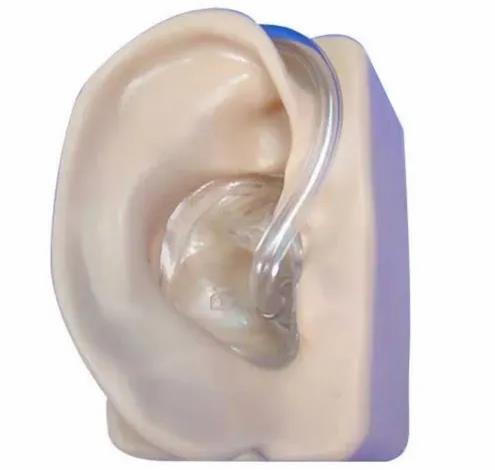
Official NHS Cleaning & Retubing Guides
Learn step-by-step how to care for your hearing aid, or view NHS audiology resources:
Under Bristol NHS protocols, your hearing prescription should be formally reviewed every 3 years, or sooner if you experience noticeable changes:
When to Contact Audiology Directly:
- 3 Years Since Last Test: You can contact the hospital audiology department directly for a retest without needing a new GP referral.
- Sudden Hearing Drop (Red Flag): Sudden loss occurring within 72 hours requires immediate same-day ENT evaluation to preserve hearing.
- Device Malfunction: Physical repair, buzzing, or mould refitting appointments can be booked directly.
emergency Urgent Bristol Hospital Intake:
For sudden hearing drops, attend St Michael's Hospital ENT Clinic (Southwell St, BS2 8EG), Bristol Royal Infirmary (BRI) A&E (BS2 8HW), or Southmead Hospital A&E (BS10 5NB).
If you need batteries immediately or are not an NHS patient, compatible zinc-air batteries can also be purchased from high street pharmacies like Boots or ordered online from Amazon UK.
Need Batteries Quickly?
Pick up locally or order online:
Universal Hearing Aid Battery Sizes & Colour Tabs
Hearing aid batteries follow a standardised worldwide colour coding system. Match the colour tab on your current battery pack:
| Colour Tab | Size Number | Common Uses & Device Models | Avg Lifespan |
|---|---|---|---|
| Yellow | Size 10 (PR70) | Small In-The-Ear (ITE), Completely-In-Canal (CIC), and compact Receiver-In-Canal (RIC) aids. | 3 – 7 Days |
| Brown | Size 312 (PR41) | Standard RIC aids and mini BTE aids (e.g. NHS Phonak Bolero M70-M). Most popular size. | 5 – 10 Days |
| Orange | Size 13 (PR48) | Standard Behind-The-Ear (BTE) aids and high-power hearing instruments. | 6 – 14 Days |
| Blue | Size 675 (PR44) | Super-Power BTE aids (e.g. NHS Phonak Naida P-70 UP) and Cochlear Implant sound processors. | 9 – 20 Days |
Battery life is approximate and varies by hearing-aid model, hearing loss, listening settings, streaming, and daily use. Follow the guidance supplied by your audiology service.
warning Child & Pet Battery Ingestion Safety (RoSPA / NHS)
Button and coin cell batteries can cause severe caustic internal burns within 2 hours if swallowed. Always store spare and spent batteries well out of reach of babies, children, and pets. If ingestion is suspected, attend Bristol Royal Hospital for Children A&E or your nearest Emergency Department immediately.
Why Do Hearing Aids Cost So Much?
Private prescription hearing aids can range from £500 up to £3,500+ per pair. Many people ask why small ear devices carry such a high price tag compared to consumer electronics:
1. Medical R&D & Miniaturised Chips
Hearing aid manufacturers spend hundreds of millions developing custom microchips that process sound millions of times per second, isolating speech in noisy crowds while consuming tiny battery power.
2. Bundled Clinical Care & Aftercare
The price includes years of professional audiologist care: initial diagnostic tests, Real Ear Measurement (REM) fitting, ear canal impressions, routine fine-tuning, and full warranty.
3. Custom Ear Canal Fitting
Unlike mass-manufactured earbuds, prescription devices are custom moulded and acoustically tuned to match your unique ear canal shape to prevent acoustic feedback whistling.
4. Specialised Low Volume Manufacturing
Consumer smartphones are mass-produced by the tens of millions. Medical hearing aids are produced in much smaller numbers to strict medical regulation standards.
Why Can't You Just Use Apple AirPods?
While Apple AirPods Pro feature Over-The-Counter (OTC) assistive listening modes, they cannot replace prescription medical hearing aids:
- Battery Life: AirPods only last 4 to 6 hours of continuous hearing mode before requiring recharging. Prescription hearing aids run for 16 to 24+ hours all day.
- Hearing Loss Severity: AirPods are strictly regulated for perceived mild to moderate loss only. They lack power for severe or profound loss or complex high-frequency drops.
- No Telecoil / Hearing Loop Function: AirPods do not contain a telecoil receiver to connect to induction loops in churches, theatres, buses, or public venues.
- Ear Canal Occlusion & Custom Fit: Universal silicone tips plug the ear canal (causing a boomy "occlusion effect" on your own voice) and can slip out, whereas hearing aids feature micro-vented custom moulds.
- No Real Ear Measurement (REM): AirPods rely on a basic self-test on an iPhone. Audiologists use physical probe microphones inside your ear canal to match your unique acoustic resonance.
- Social & Cultural Etiquette in England: In England, wearing prominent white AirPods while chatting with someone in the office, shop, or pub can look silly or be perceived as rude and anti-social. Medical hearing aids are discreet and recognised as essential accessibility devices.
📺 Audiologist Video Review: AirPods Pro 2 vs Real Hearing Aids
Dr. Cliff Olson, AuD breaks down the exact test results comparing Apple AirPods Pro 2 against prescription hearing aids:
Watch audiologist Juliëtte Sterkens' inspiring TEDx presentation uncovering how hearing aids work, overcoming misconceptions, and demanding public accessibility: