family_restroomFamily & Friends Guide
Practical communication tactics, video previews, and verified support links to help you empower a loved one with hearing loss.
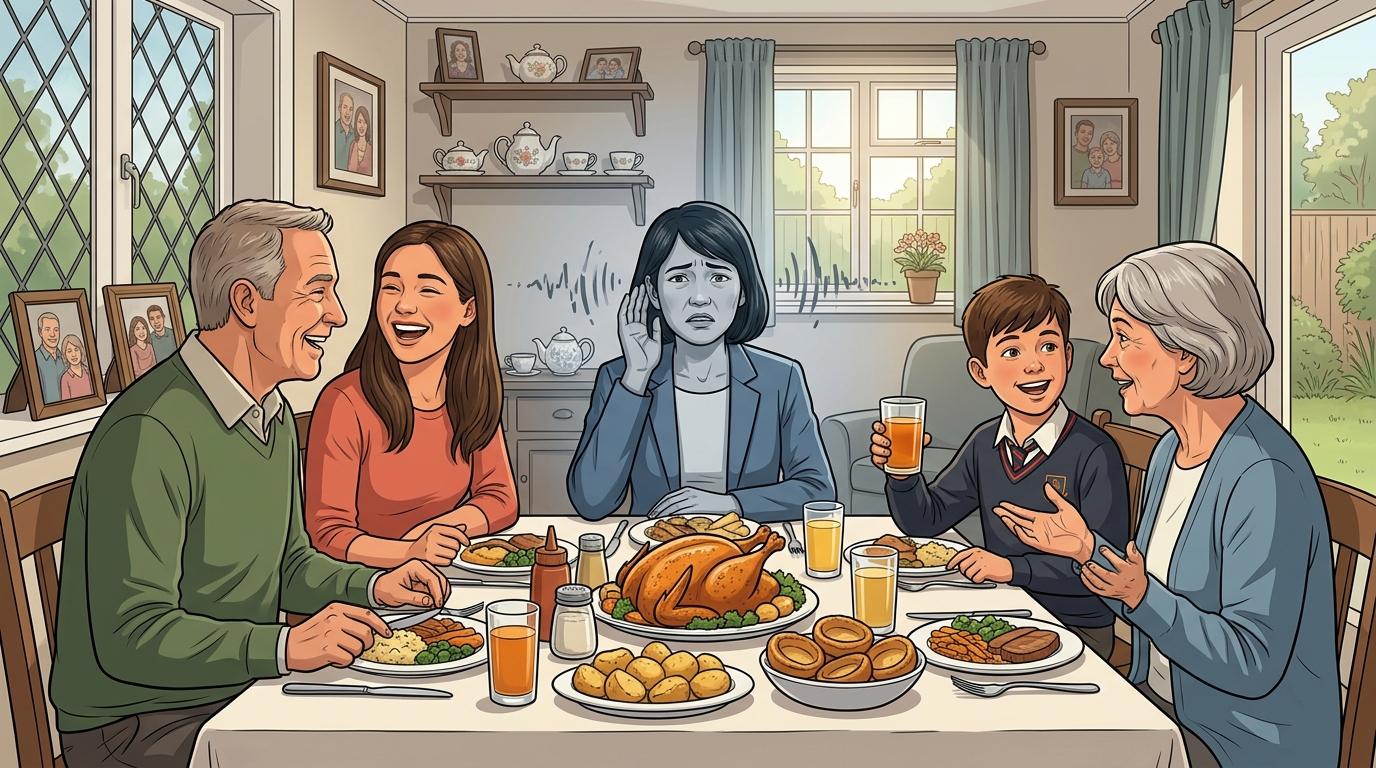
Hearing loss does not only affect the individual; it naturally changes how families, partners, children, and close friends interact every day.
With a few thoughtful communication adjustments, you can help your loved one stay fully engaged in conversations, family dinners, and social activities without feeling exhausted or isolated.
Say their name or tap their arm gently before speaking so they are looking at you when you begin.
Ensure your face is lit and unobstructed. Avoid speaking from another room or turning away while talking.
Shouting distorts voice pitch and lip shapes. Speak at a normal cadence with natural pauses.
If they miss a phrase, try using different words rather than just repeating the same sentence louder.
Mute the TV, step away from noisy appliances, or pick quiet corners when dining out in public venues.
Processing sound through hearing loss requires immense mental energy. Allow quiet breaks during long gatherings.
Watch practical Deaf awareness and communication tactics for family members, partners, and friends:

Visual Home Alerting
Flashing strobe doorbells and vibrating bed-shaker smoke alarms.

Direct TV Sound Streamers
Streams crystal-clear TV audio straight to hearing aids at personal volume.
- Practice in Quiet Rooms First: Start with one-on-one conversations at home before tackling noisy social events.
- Encourage Daily Wear: Help them wear their aids consistently every day so their brain adapts faster.
- Smart Home Assistive Tech: Consider installing TV streamers, vibrating smoke alarm pads, or flashing doorbells for peace of mind.
- Offer Practical Accompaniment: Offer to attend NHS audiology appointments together to take notes and ask questions.
Explore verified national UK resources and downloadable guides tailored for relatives, partners, and carers: