do_not_disturb_onEar Care: What NOT to Put in Your Ears!
A humorous, slightly terrifying, and audiologist-backed guide to Chinese ear scoops, fire candles, cotton buds, and home remedies.
Audiologists have a universal mantra: "Never stick anything smaller than your elbow into your ear canal!"
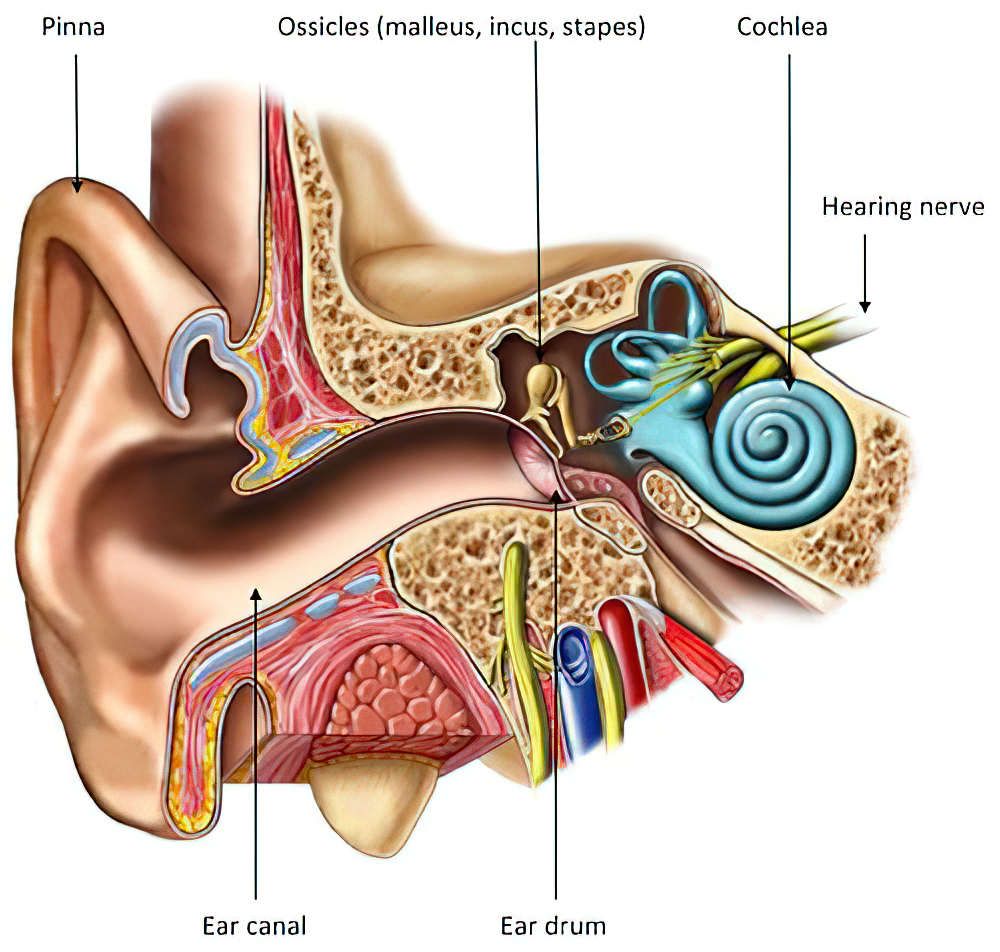
Why? Because your ear canal skin is paper-thin (only 0.1mm thick!), resting directly over sensitive bone. Your ear canal is naturally self-cleaning: like a conveyor belt, old wax moves outward automatically whenever you chew, speak, or yawn. Sticking objects inside ruins this natural mechanism!
Traditional Chinese ear picking (采耳 / Cǎi Ěr) and metal/bamboo ear scoops (Mimikaki) have gained massive popularity on social media. But before you play Indiana Jones inside your head...
skull The Horror Story (Why It's Dangerous):
You are digging around your inner ear canal with a tiny metal spoon blindly. If your cat jumps on your lap, your phone rings, or you sneeze... BAM! The metal scoop pierces your delicate eardrum, causing immediate agonizing pain, bleeding, permanent hearing loss, or facial nerve damage! Metal scoops also create microscopic scratches on your canal wall, inviting painful bacterial and fungal ear infections (Swimmer's Ear).
Ear candling involves sticking a hollow wax-soaked cloth cone into your ear canal and lighting the top on fire. Proponents claim it creates a "chimney vacuum" that sucks out wax.
science The Scientific Reality & Burning Dangers:
- Zero Vacuum Power: Clinical measurements show ear candles produce zero negative pressure vacuum. They cannot suck out wax!
- Fake Wax Proof: The brown "extracted wax" inside the cut candle after a session isn't your earwax; it's just burnt candle wax from the top of the candle itself!
- Horrifying Risks: Molten candle wax dripping straight down your ear canal onto your eardrum, severe facial burns, hair fires, and complete ear canal blockages requiring emergency surgical removal!
✅ THE GOOD & AUDIOLOGIST-APPROVED
- Medical-Grade Olive Oil Drops (Earol): 2–3 drops daily softens hard wax naturally, allowing your ear's conveyor belt to push it out smoothly.
- Sodium Bicarbonate Drops: Gently breaks down stubborn wax prior to professional treatment.
- Microsuction (NHS / Private Audiology): The gold-standard method using microscopic cameras and gentle suction to safely remove wax.
❌ THE BAD & DANGEROUS
- Cotton Buds (Q-Tips): Act like a cannon ramrod, pushing wax 3x deeper into a hard jammed plug right up against your drum!
- Hairpins, Keys & Paperclips: High risk of tearing your eardrum and infecting the ear canal.
- Garlic Cloves / Raw Oil: Raw garlic burns delicate skin, creating agonizing chemical burns and fungal otitis.
Miniature Wi-Fi ear camera microscopes (available on Amazon) stream high-definition live video of your inner ear canal straight to your phone screen!
visibility The Tech Enthusiast Perspective:
Inspecting your own eardrum and ear canal on your smartphone is fascinating and useful! It lets you verify whether you actually have earwax buildup before booking an audiology appointment.
Essential Safety Rules if You Use an Ear Camera:
1. 🔒 Be 100% Alone in a Safe Environment
Never use an ear camera in a busy or hectic room. Ensure no pets, children, or partners can bump into your arm while the probe is inside your ear!
2. 🖐️ Do It Yourself ONLY!
NEVER let someone else operate the camera inside your ear. Only YOU can feel the subtle tactile sensations, nerve depth, and pressure.
3. 👁️ Look, Don't Dig!
Use the camera for visual inspection only. Avoid using sharp metal attachments to dig or scrape wax near your drum.
4. ⏳ Experience & Respect
Those with 30+ years of ear care experience know the exact limits. If in doubt, leave wax extraction to professional microsuction.
⚠️ DISCLAIMER: USE AT YOUR OWN PERIL! ⚠️
Using consumer digital otoscopes or camera microscopes inside your ear canal is done entirely at your own risk ("at your own peril"). Neither the Hearing Loss Initiative nor healthcare professionals accept liability for ear canal scratches, eardrum perforations, or injuries resulting from DIY ear camera devices.